

Illness Illness

Looking after a baby can be a rollercoaster. With so much to consider – from how they’re sleeping, to weaning and teething, and all the key stages of their development, it’s easy to feel overwhelmed. Here, we’re sharing our knowledge and guidance for new parents, to help you to feel more confident in understanding your baby and their needs.


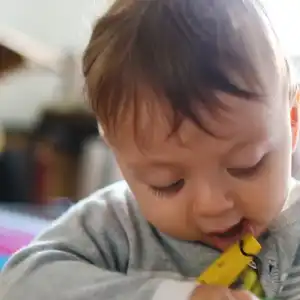


Unlike older children, babies can’t communicate how they’re feeling. However, if your baby seems a little under the weather, there are certain symptoms that might give away why they’re feeling poorly. Learn how to spot a fever, signs of teething, and more here.
Before giving your child any medication, make sure to check what the right dosage is for them.
Sleepless nights can be exhausting, as you’ll know if you’ve struggled with trying to get your baby to sleep. It can be a tough time for parents since every baby is unique and adjusts to sleep cycles differently. Be flexible as you’ll need to be prepared to change routines as your baby grows.
Fortunately, there are practical tips we can share, that may help you feel less alone in this “learning- to-sleep” stage. If you're a new parent, you probably have questions like: "What is a healthy sleep pattern for my baby?" "How long do newborns sleep?" and "When do babies sleep through the night?"
Remember that what helps for one baby, may not help for another. It’s important to find what works best for your baby and to discuss the safest sleeping options or routines with your health visitor. Having your baby sleep in the same room as you during the day and night for the first 6 months, reduces the risk of SIDs (Sudden Infant Death Syndrome).
Coughs can be worrying for parents. The good news is that a cough usually isn't something to worry about as long as your child is drinking, feeding, and breathing normally. If your child has a cough and you're worried, speak to your pharmacist, health visitor, or GP for advice.
Weaning, also known as introducing solids or complementary feeding, is one of the important milestones in your baby’s development. Some parents find weaning daunting, but there are ways to make this stage fun and interactive for you and your baby.
There are also many ways to go about introducing your baby to solids. Some parents prefer spoon feeding, whilst others like to follow what is called baby-led weaning, and some may do a combination of both. Whatever approach you take, it’s important that your baby gets the right amount of nutrients and that they explore a wide variety of foods.
It can be worrying when your little one has a fever, but a fever is very common in young children and often goes back to normal without treatment. A fever is the body’s way of fighting infections like colds or the flu. Perhaps you’re wondering, “How can I help my child feel better and how can I treat my baby’s fever?”
Read on, for some helpful tips.
Generally, a fever is the body's natural reaction to illness or infection. A fever in a child can generally be described as anything above 38°C. A normal temperature in babies and children is about 36.4°C, but this can vary slightly.
Is your baby’s blocked nose quite a challenge? Babies get congested when too much mucus builds up in their noses - a blocked nose on its own is usually nothing to worry about if they are otherwise well and feeding normally. If your little one has a stuffy nose, it can sometimes be harder for them to sleep, and sleep comfortably when every moment of shut-eye is precious. So, how can you help your baby when they have a blocked nose? First, let's discover why they have a blocked nose:
Wondering how to help get your teething baby to sleep? A teething, restless baby (especially at night) who’s hard to console and settle can be exhausting. Teething can be a painful and uncomfortable experience for some babies, which can make it harder for them to fall asleep, and often when they struggle to sleep, you do too.
If you want to know how to help a teething baby sleep, the good news is you’re not doomed to endless sleepless nights. Learn how to soothe your teething baby at night and help them sleep. First, let’s get back to basics:
Carting our little babies off to the clinic to get their vaccinations done can fill many of us with anxiety. Babies cry (whilst we hold back tears), doctors jab, and soon enough, there may be a tiny bump on our little one's arm or leg to show for their bravery.
When your little one is unwell, it can be stressful not knowing what's wrong. It’s helpful to know some of the signs and symptoms of common illnesses in babies, such as cradle cap, nappy rash and colic, to understand how to help them feel better or when to act quickly.


