

Illness Illness
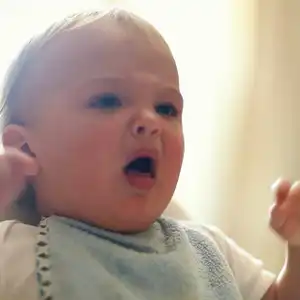
As children grow, their needs change as they journey through the different stages of childhood. This page will help you navigate your child’s changing needs, from how to deal with illnesses like cold and flu, to their dietary requirements. You’ll also find tips on bedtime struggles and how to make sure your child gets enough sleep. From toddlers right through to school age, we’ve got practical advice to help guide you through your child’s development at every stage.


Children catch colds just like adults. However, because they haven’t yet built up the same immunity levels, it’s normal for them to have colds more often. Find out what symptoms to look out for, good hygiene tips to teach them, and how to know when it’s a cold or the flu.
Before giving your child any medication, make sure to check what the right dosage is for them.
Coughs can be worrying for parents. The good news is that a cough usually isn't something to worry about as long as your child is drinking, feeding, and breathing normally. If your child has a cough and you're worried, speak to your pharmacist, health visitor, or GP for advice.
Earache is common in babies and small children. It can be painful for your little one and can leave you feeling a bit confused as to how to help them. Earaches in kids can be caused by many things, but sometimes the cause may be unknown.
Generally, a fever is the body's natural reaction to illness or infection. A fever in a child can generally be described as anything above 38°C. A normal temperature in babies and children is about 36.4°C, but this can vary slightly.
Bumps, bruises, cuts and grazes are all a natural part of growing up. Sprains and strains are also common injuries and can be treated at home, along with some tender loving care and a child-friendly pain reliever such as Paracetamol or Nurofen for Children, which contains ibuprofen.
A sore throat is common in both adults and children, with 5-24 year olds having the highest incidence. During the winter months, children at school can also catch strep throat (bacterial infection), although sore throats are usually caused by viruses (like cold and flu). If your child has a sore throat, it’ll feel painful for them to swallow and they may want to avoid eating. They might also have a temperature and not seem their normal, active selves.
Earaches are surprisingly common, particularly in young children. It can be distressing if you’re not sure of the cause or if your child has an ear infection. Read the below guidance on how to spot an earache and know what you can do to help.
When your child complains of a headache, it’s easy to conjure up worst-case scenarios and rush off to the doctor. However, just like adults, there are common and manageable causes of headaches in children, such as a cold or flu. During the cold and flu season, ear and sinus infections are also common causes of headaches in children, which may be accompanied by a fever. Thankfully, they can generally be relieved with over-the-counter pain medicines, along with healthy sleeping and eating habits.
Generally, a fever is the body’s way to fight off illness or infection such as coughs and colds. A normal temperature in babies and children is about 36.4˚C, but this can vary slightly from child to child. A high temperature in children is considered to be 38˚C or higher. Temperature can vary depending on where you’re measuring your little one’s temperature and which type of thermometer you’re using. Digital thermometers are considered the fastest and most accurate thermometers to check your baby’s temperature.
While fevers are common in young children, the very first time your baby has a fever can be alarming. To help with a quick recovery, it’s helpful to know the signs of a fever and what you can do to help.
When your little one is under the weather with a cold or flu, you want to see them get better as soon as possible. But there are some treatments that may not be appropriate to help fight off a cold or flu in children.
When your child wakes up feeling unwell on a school day it can be difficult to make a decision. It may sometimes be tricky to tell whether their symptoms require keeping them away from playgroup, nursery, or school or if they might feel fine in a couple of hours. There’s always the risk that if you do send them to school, you might get a call to collect them halfway through the day. You might also feel that when germs like colds, flu and tummy bugs are going around during winter, keeping them home for every bug could cause them to miss too much school.
What is Paracetamol?
Paracetamol is a well-known painkiller that’s commonly used to help relieve pain and reduce fever in children. There are many pain-relieving products that contain paracetamol and it may also be included in cold and flu medicines designed for children of various ages, from 2 months. Paracetamol is a common medicine so its important to check the ingredients of any pain, fever, cold, cough or flu medicine before giving it to your child, to see if it contains paracetamol to make sure that you aren't giving them too much of a medicine as it can be dangerous.
As parents, we know that aches, pains, bumps, scrapes and bruises are all a part of growing up. But it can sometimes be difficult to tell what’s causing your little one’s pain. Knowing the cause of their pain can help you to treat them appropriately and help them feel better.
Older children may be able to explain exactly where they feel pain, but younger children may have more difficulty doing so, especially if they’re just starting to speak.
If your little one complains of a headache, it can be worrying. Thankfully, serious causes of headaches are quite rare in children, but they happen to be one of the most common types of pain. Although they can have a big impact on your child’s life, they’re relatively easy to treat in most cases. Understanding what causes headaches in children, how to treat them, and when you should be concerned, will help you know what to do next.
Cold and flu symptoms are common in children and colds are usually experienced a few times a year. Children may even have more than 8 colds a year, which is normal. The words cold and flu are often used interchangeably, but they are different infections that are caused by separate viruses. A cold in kids is different to flu because the symptoms are generally milder.


