

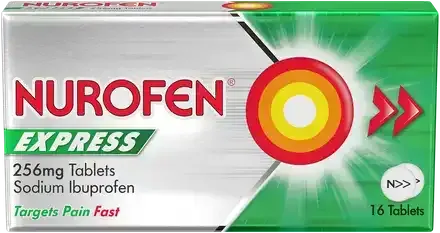
Nurofen Express 256mg Tablets
2x faster than standard ibuprofen**
Headache Headache


When thinking of menopause, symptoms like mood swings and hot flushes may come to mind. However one might not realise that joint pain and muscle aches may be connected to the change in hormones during menopause.
Menopause symptoms may feel different for everyone. Symptoms can range from headaches to mood changes and vaginal discomfort, which could have an impact on your daily life.
In this article we’re looking at joint pain and back pain related to menopause, what causes them, and things you can do to help relieve them.
Muscle and joint pain are common in women during and after menopause. Joint pain can affect various joints in your body from your neck to your feet. This includes those in your hands, knees, back, neck, shoulders and elbows.
When you’re going through menopause, your oestrogen levels go down. Musculoskeletal pain may be attributed to this drop in oestrogen. Oestrogen is anti-inflammatory and mildly immunosuppressive. Low level oestrogen may be protective and promote cartilage growth and reduced degeneration.
Osteoarthritis, a condition causing painful, stiff joints, is more likely to affect women over the age of 45 around the time of menopause.
You may notice that fluctuations in hormone levels can lead to increased pain during menopause. Changing levels of oestrogen may have an impact on how women experience pain.
Relieving joint pain during menopause, may depend on the cause of the pain. If joint pain is stopping you from doing your normal activities, it’s advisable to see a GP, to understand the cause.
Hormone replacement therapy (HRT) is one of the treatments prescribed by doctors, that can help to relieve the symptoms of menopause, including joint pain. It replaces hormones that are at low levels during menopause. HRT may also help to reduce your risk of osteoporosis and bone fractures.
Other ways to help ease joint pain during menopause, include:
Regular exercise and a healthy, balanced diet are important lifestyle measures that not only help with the symptoms of menopause but will also help protect joints and bones into the future, beyond your menopause years.
Speak to your GP if:
Get help from NHS 111 or make an urgent appointment with your GP if:
You need to go to A&E or call 999 if you:
Back pain, especially lower back pain is common and can have many causes. It can affect people of all ages, however women are more likely to have lower back pain especially from the time of the menopause transition.
There are a few reasons why you could experience back pain during the time of menopause. Levels of the hormone oestrogen drops during menopause, which may be responsible for conditions that lead to back pain, such as :
Other factors that might add to back pain include being overweight, poor sleep, mood changes and fatigue.
Menopause related lower back pain can be unpleasant and make activities uncomfortable but there are ways for you to help ease back pain. If your pain is mild, these are some ways that may help you to help manage your pain at home:
You should see your GP if:
Get an urgent appointment or phone your GP immediately if:
Get urgent medical attention by calling or going straight to an emergency department if you have back pain and:
This article is for general information only and not intended as a substitute for medical advice. All information presented on these web pages is not meant to diagnose or prescribe. In all health-related matters, always consult your healthcare professional.
Always read the product label. Use only as directed. Incorrect use could be harmful. If symptoms persist consult your healthcare professional.
RKT-M-35277
Understand head pain and ways to help manage it
Understand pain in women and ways to help manage it
Understand different types of body pain and ways to help manage it