In this article:
What is Perimenopause?
The transition leading up to menopause is called perimenopause, when there’s usually a change in the normal pattern of your periods where they may become irregular. Eventually your periods will stop altogether. Menopause is reached when you haven't had a period for 12 consecutive months.
Women typically start having symptoms of perimenopause in their mid 40s, whilst menopause (when you stop having periods altogether) usually occurs between the ages of 45 and 55 years. You may experience symptoms for 6 months, but they can last up to 10 years and sometimes longer.
When entering perimenopause, you might start to experience symptoms such as:
- Night sweats
- Hot flushes
- Changes in mood
- Aches and pains
- Irregular periods
Perimenopause Aches and Pains
You can experience a variety of perimenopause aches and pains, such as:
- Joint pain
- Muscle aches
- Headaches and migraines that are worse than usual
- Breast Tenderness
Joint Pain
When you're going through perimenopause, the levels of the hormone oestrogen change, which can cause the symptoms of perimenopause including joint pain, in any part of your body.
Since joint pain and arthritis can be caused by other health problems, it is important to see your doctor to establish the cause.
Lower Back Ache
Back pain, particularly lower back pain, can occur during perimenopause for several reasons. Lower oestrogen levels may cause inflammation in the joints that allow movement in your back and wearing down of the discs between the bones in your spine.
Another reason for back pain could be osteoarthritis. This is more likely in people over the age of 50, around the time that many women start menopause. One of the places that osteoarthritis pain can be felt, is in the lower spine.
Leg Pains
Knee pain is a common symptom of perimenopause related joint pain. Your knees are one of your largest joints, connecting your whole leg from your feet to your hips, and supporting a large portion of your weight. So, it makes sense that they’re put under a lot of pressure and wear throughout your life.
If your doctor has prescribed Hormone Replacement Therapy (HRT) for your perimenopause symptoms, you may be experiencing leg cramps. Leg cramps may happen initially, when you first start HRT. These may resolve over time, and it's important not to stop taking HRT until you have discussed this with your doctor.
Headaches
It’s not uncommon for changing hormone levels and disrupted menstrual cycles, to cause headaches in some women and it is for this reason that your headaches could get worse as you approach menopause.
Breast tenderness
There are several reasons for your breasts to feel painful or tender including hormone changes during perimenopause. Breast pain is usually nothing to be concerned about. However, you should see your GP if it does not improve or there’s a history of breast cancer in your family.
When to speak to your doctor
Here are some of the reasons to speak to your GP about perimenopause related pain:
- Get help with perimenopause symptoms early, to reduce the impact on your health and life.
- Aside from perimenopause, other changes to your body as you get older, can be more intense during perimenopause. Lowered oestrogen levels, feeling tired, too little sleep and mood changes that can all happen during perimenopause, might also make pain feel worse. It’s a good idea to talk about these changes to your GP.
- Your risk of thinning bones (osteoporosis) starts to increase around the time of the menopause, and this can increase the risk of bone fractures. Your muscle strength may also decrease, your GP can provide advice on managing your health to avoid fractures and to stay strong and fit.
- Mention any side effects of HRT to your doctor.
- A type of arthritis called osteoarthritis, becomes more common in women during menopause around the time of the menopause after the age of 50. It can cause constant or occasional pain in your hands, knees, hips and other joints. You may experience worse pain when walking or stiffness after moving. Speak to your GP if pain or stiffness is stopping your day-to-day activities, affecting your sleep or if your pain worsens, keeps returning, doesn’t improve after 2 weeks of treating it yourself, or your joints are stiff for more than 30 minutes after waking in the morning.
Managing perimenopause pain
While there are some ways to manage perimenopause pain at home, it's important to speak to your doctor for help or advice with your perimenopause symptoms.
Medicines
Hormone Replacement Therapy (HRT)
Your doctor may prescribe hormone replacement therapy (HRT) to treat perimenopausal symptoms. HRT in the form of tablets, gels or patches, helps to relieve symptoms by replacing the hormones that are lowered, particularly oestrogen. It’s important to discuss the advantages and disadvantages of HRT with your GP however there are also several benefits, including a possible reduction in your risk of osteoporosis.
Over-the-counter pain relievers
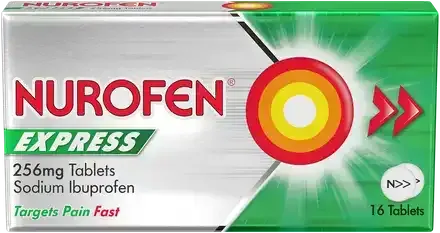
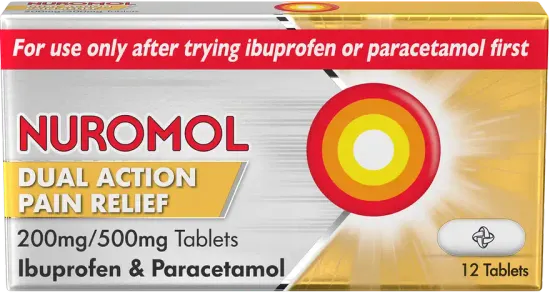
To help relieve joint, muscle, back or breast pain, you could try over-the-counter pain relievers such as ibuprofen or paracetamol.
The benefits of regular exercise
Exercise, even moderate physical activity can help with joint and muscle aches, which includes aerobic and joint specific movement. Ideally you should aim for 30 to 60 minutes of exercise five days a week, of both aerobic and strength training exercises. Exercising regularly, including doing weight-bearing exercise like walking, running or dancing, and resistance exercises such as weight training, can protect against weak bones. Exercise can also help you deal with stress.
The benefit of healthy eating and weight management
Going through perimenopause can cause some women to pick up extra body weight, so it’s important to try and maintain a healthy weight. Try to eat a healthy, balanced diet that’s high in fibre, with plenty of fruit, vegetables and wholegrain foods. Eating lots of nutrients from various food groups may help prevent and manage health issues, including menopause related joint pain.
Eating small, frequent snacks can help to keep your blood sugar up and you should also try to avoid missing meals or going for too long in between meals, if you suffer from headaches. It’s also possible to help reduce menopause symptoms by having less alcohol, caffeine and sugar.
Other ways to help ease menopause related pains
- To help ease breast pain, wear a properly fitted bra during the day and a soft bra to sleep in at night.
- Keep a regular sleep pattern, avoiding too much or too little sleep.
Perimenopause symptoms can feel different for everyone, but they can have a big impact on your life. Remember that it’s always a good idea to talk to your doctor, nurse or pharmacist for advice on managing your perimenopause symptoms.
RKT-M-35273