In this article:
Menopause Aches and Pains
What is menopause?
Perimenopause is the start of the hormonal change in women before menopause, when her periods may start to become irregular. A woman is considered to be in menopause when her periods have stopped for at least 12 months. The average age of menopause, for women in the UK is around 51 years.
What causes menopause?
Women have a finite number of eggs at birth. An egg is released during her monthly period until they begin to run out. Hormone levels also change and in particular, oestrogen levels drop. This causes her periods to stop, and other symptoms of menopause including hot flushes and night sweats.
What are the symptoms of menopause?
Symptoms that may be experienced during menopause, include:
- Changes in periods
- Hot flushes and night sweats
- Weight gain
- Mood changes, anxiety or depression
- Brain fog (memory or concentration problems)
- Difficulty sleeping
- Palpitations (a noticeable heartbeat)
- Dry and itchy skin
- Sensitive teeth, gums or mouth problems
- Low sex drive (libido) and vaginal dryness or discomfort
- Urinary tract infections and peeing more often
As well as the symptoms listed above, menopause can cause aches and pains in the body, such as:
- Muscle aches and pains
- Joint pains
- Headaches
- Migraines that are worse than usual
Not every woman with pain relating to menopause will experience it in the same way.
Menopause related Muscle and Joint pain
Oestrogen levels decline throughout the menopause transition. Lower oestrogen levels may lead to a decrease in bone density, which can make your bones weaker, and you may be at risk of bone fractures. These sudden hormonal changes throughout menopause, can cause muscle aches and joint pains. The rapid decrease in oestrogen levels happen in the first few years and then happen at the same rate as men.
Joint pain and stiffness that occurs around the time of menopause, might also be a symptom of osteoarthritis, particularly in people over the age of 50 year. However there may be other causes of joint pain during menopause, including pain in the bone, muscles, connective tissue or cushioning sacs near the joints. So, it’s important to see your doctor as early as possible, who can help you understand and treat the cause, whether it’s related to menopause or not.
How can you manage menopause related joint pain?
Here are some ways that may help you to manage menopause-related aches and pains at home, Remember that it's important to see a doctor early, to discuss your symptoms and treatment options.
- A doctor may prescribe hormone replacement therapy (HRT) to treat menopausal symptoms. HRT usually includes oestrogen and may also include progestogen hormones.
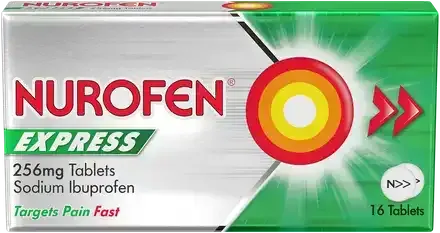
- Taking ibuprofen, which has anti-inflammatory properties, such as Nurofen Express 200mg Liquid Capsules, can help to relieve joint and muscle pains
- Rubbing ibuprofen gel over the painful area can help relieve muscle and joint pain. Nurofen Joint and Back Pain Relief Max Strength 10% Gel contains ibuprofen, which has anti-inflammatory properties.
- If you are overweight, managing your weight by following a healthy diet and doing regular exercise might help to reduce joint pain and other menopause symptoms.
- Regular, moderate exercise can help you reduce joint and muscle aches and pains. Weight bearing activities like walking, running or dancing, can help with symptoms and may be good for your future health.
- Do things that help you relax to reduce stress and anxiety. Yoga not only helps with other symptoms of menopause but may also be beneficial for muscle tone and bone density. Meditation or tai chi may also be helpful.
Menopause Back Pain
During the stages of menopause, it’s not unusual to experience pain in your lower back or spine.
To manage symptoms of lower back pain, you can:
Speak to a doctor to discuss treatment. They may recommend physiotherapy massage, exercises guided by a physiotherapist to help strengthen the muscles that stabilise your lower back and balance exercises.
Consider using pain relievers with anti-inflammatory properties. Nurofen Express 200mg Liquid Capsules and Nurofen Joint & Back Pain Relief Max Strength 10% Gel contain ibuprofen, which has anti-inflammatory properties.
Menopause Headaches and Migraines
Changes in oestrogen levels can cause headaches and if you had migraines in the past, your symptoms may become worse during this time.
While there are some ways to manage menopause-related headaches and worsening migraines at home, it's important to see your doctor first to discuss treatment.
Tips to help relieve headaches:
- Speak to a doctor to discuss treatment options. They may prescribe hormone replacement therapy (HRT) to treat migraine symptoms.
- Keep your blood sugar stable by eating small regular meals and try not to skip meals.
- Avoid stress if you can and practice relaxation techniques or regular exercise to help with stress management.
- Try to get the right amount of sleep, by avoiding sleeping for too long or not enough.
- You could try Nurofen Express 342 mg Caplets or Nurofen Migraine Pain, containing ibuprofen lysine for the relief of headache and migraine pain.
FAQs
Does Menopause Make You Ache All Over?
Menopause can cause pain throughout your body. Symptoms can affect all joints and muscles. Menopause can also cause headaches, breast tenderness and vaginal discomfort
What Helps with Menopausal Aches and Pains?
There are a few different ways to manage menopause aches and pains, including:
- Discussing treatment options with your doctor, as early as possible
- Making lifestyle changes to ensure that you stay healthy and active, managing your weight, getting the right amount of sleep, reducing or managing stress and talking to others who are going through the same thing.
- Consider taking pain relievers with anti-inflammatory properties.
If you have aches and pains that you think might be caused by perimenopause, or menopause, speak to a doctor. They can help you understand the cause of your pain and discuss the right treatment for you.
RKT-M-40723