In this article:
What is the difference between menopause and perimenopause?
Perimenopause
Perimenopause is also known as ‘the menopause transition’. Perimenopause happens before menopause and is a time when a woman may experience some of the symptoms of menopause whilst still having periods.
Some of the common symptoms of perimenopause, may include:
- Hot flushes and night sweats
- Heavy menstrual flow, sometimes with new or worse period pains than before
- Irregular periods
- Tender breasts
- Disrupted sleep
- Fluid retention, appetite changes and mood changes
- New or worse migraines than before
Menopause
As a woman transitions to menopause, her periods become irregular and less frequent, until she no longer has periods. Once she hasn’t had a period for a full year, she is considered to be in menopause.
Menopause symptoms may be like perimenopause but without periods or associated period pain. Some women find that their symptoms improve when they reach menopause.
How your body changes during Perimenopause
Before perimenopause, your menstrual cycles are generally regular. Each month an egg is released from your ovaries (ovulation), followed by a drop in the levels of a hormone called oestrogen.
When you reach perimenopause and your body is nearing the end of its reproductive phase, your oestrogen levels may stay higher after ovulation. Along with increased oestrogen levels, another hormone called progesterone, lowers and your menstrual cycles become unpredictable.
High oestrogen and progesterone levels in pregnancy are normal and necessary. However, during perimenopause, the imbalance of high oestrogen and low progesterone causes many of the troublesome symptoms during the menstrual cycle.
In particular, high levels of oestrogen can cause your body to release prostaglandins, or chemicals that make your uterus contract, which are the painful cramps experienced before and during your period.
Oestrogen levels are also changing irregularly during perimenopause. When the level of oestrogen falls right down, it can trigger night sweats.
You and your body are unique
Each woman will experience perimenopause differently. Your symptoms, how severe they are, and what happens with your periods, can vary considerably between women. Your personal circumstance from your ethnicity, culture and religion to your social and nutritional status can affect how you experience symptoms of perimenopause.
Period Pain during perimenopause
Before your period starts, progesterone levels drop, causing cells in the lining of the uterus to release prostaglandins. Prostaglandins cause the muscles around the uterus to contract, leading to painful cramps.
During perimenopause, lower progesterone also allows for the lining of the uterus to grow thicker before it's shed, resulting in very heavy periods. The imbalance of high oestrogen and low progesterone may also be responsible for other menstrual problems.
How to Relieve Perimenopause Period Pain
Here are some self-care strategies to ease period cramps or pains:
- Take a warm bath or shower
- Wrap a hot water bottle in a tea towel or use a heat pad on your tummy
- Gently massage your tummy or ask someone to massage your back
- Gentle exercises such as yoga, swimming, walking or cycling may help
- use painkillers like paracetamol or ibuprofen
Painkillers for period Pain
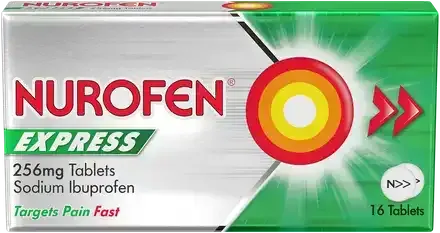
Ibuprofen is a type of painkiller called an NSAID. NSAIDs block the chemicals called prostaglandins that lead to period cramps and pain. For fast period pain relief try Nurofen Express 400mg Liquid Capsules, which contains ibuprofen. It starts to get to work in 8 minutes* giving up to 8 hours relief**.
*refers to absorption
**with 400 mg dose
When to see a doctor
You should speak to your doctor immediately if your period pain is severe or worse than usual.
Make an appointment with your doctor if:
- your periods become irregular, more painful or heavier than usual
- if you have pain during sex or when peeing or pooing
- you’re bleeding between periods.
FAQs
Do Menstrual Cramps get Worse during Perimenopause?
It’s possible that menstrual cramps may start or get worse during perimenopause due to increased oestrogen. Other period-related symptoms can also become worse at this time.
Is it Normal to have Lower Abdominal Pain after Menopause?
Menopause is defined as not having had your period for 12 months or more. If you do experience pain in your pelvic area (lower abdomen or tummy) after menopause, it could be caused by health conditions not related to your periods. It’s important to see a doctor if you have pain or bleeding from your vagina after menopause.
This article is for general information only and not intended as a substitute for medical advice. All information presented on these web pages is not meant to diagnose or prescribe. In all health-related matters, always consult your healthcare professional.
Always read the product label. Use only as directed. Incorrect use could be harmful. If symptoms persist consult your healthcare professional.
RKT-M-28626