Sore Throats: Signs and Symptoms for Children

  • A sore throat is a common condition, often caused by viruses like those responsible for colds or the flu.
  • Since children can get five to eight colds a year on average, sore throats can happen pretty often. They usually clear up on their own in a few days, but in some cases, medical attention might be needed.
  • Common symptoms include a dry, scratchy, or painful throat, especially when swallowing, redness at the back of the mouth, coughing and swollen glands in the neck. A high temperature (fever) is also often linked to sore throats in children.

What Causes Sore Throats in Children?

There are several possible causes of sore throats in children. Here are some of the reasons:

  • Viral infections affecting the throat are the most common reason.

    Colds or the flu are often caused by viruses such as rhinovirus or coronavirus. With hundreds of cold viruses out there, young children get sore throats frequently because they haven’t built up immunity yet. Antibiotics won’t work on viral sore throat infections, and they won’t speed up recovery or relieve symptoms. Your child may only be given antibiotics if a bacterial infection is suspected.
  • Bacterial infections, like Group A strep, account for many sore throat cases in children and may need antibiotics.

    Even so, strep throat often clears up within 7 days without them. It mainly affects children, especially during winter, and is less common in kids under 3.
  • Tonsillitis is an infection of the tonsils at the sides of the throat and is common in children.

    It’s usually caused by a virus, though bacterial infections like strep throat can also be to blame. In addition to a sore throat, symptoms can include a high temperature (fever), coughing, earache, painful glands in the neck, or white patches (pus) on the tonsils. Symptoms typically improve after 3 to 4 days, though they can last longer.
  • Environmental factors such as dry air or a post-nasal drip from allergies can also cause throat irritation.

    These can lead to a scratchy or sore throat.

What to do:

  • Hydration: Make sure your child drinks plenty of fluids to keep their throat moist and help with healing. Nutritious liquids like soups or cold smoothies can also help maintain their strength, especially if swallowing solid food is uncomfortable.
  • Cold fluids: Cold drinks, such as ice water, can help soothe an irritated throat. Do not give ice to young children as there is a risk of chocking.
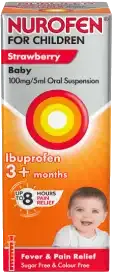
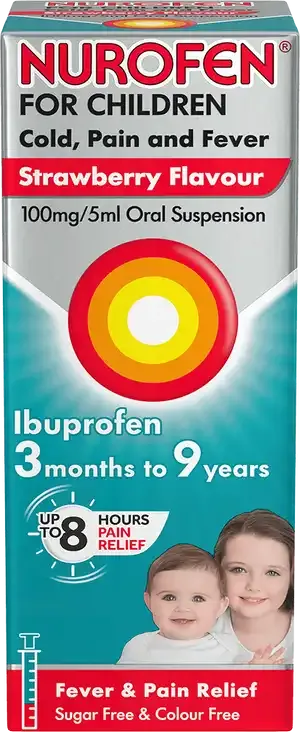
  • Over-the-counter pain relief like paracetamol or ibuprofen: Paracetamol or ibuprofen (such as Nurofen for Children) can help reduce pain and fever. Ibuprofen may also help reduce inflammation, which can provide relief. Ibuprofen may not be right for every child. Check with a pharmacist, GP, or health visitor if you’re unsure, and always follow the instructions on the packaging.
  • Throat lozenges or sprays: These can help ease discomfort. Avoid giving lozenges to young children due to the choking risk.
  • Rest: Encourage your child to rest. Try reading them a story or letting them listen to an audiobook or podcast to help them relax and recover.

What to avoid:

  • Keep your child away from irritants, like smoke, and avoid smoking nearby. Also try encouraging them to use their voice less.
  • Remember, antibiotics only work on bacterial infections. They won’t usually ease symptoms or speed up recovery if the cause is viral.
  • Don’t give honey to babies under 1 year old.
  • Be cautious with lozenges or sprays for young children, to avoid the risk of choking.
  • Keep your child at home to prevent spreading infection, especially to vulnerable people like newborns or the elderly.
  • Avoid sharing your child’s utensils or drinks with others in the household, also to help reduce the spreading of germs.
  • Don’t give your child hot drinks, as these can worsen throat pain. Always check the temperature of warm drinks before serving them.

When to See a Doctor

Here are some signs to look out for that usually need a medical professional’s input.

  • If your child has a sore throat for 3 days or more, a high temperature, and seems generally unwell, contact your GP.
  • Seek medical help if you’re worried about your child’s symptoms, if they haven’t improved in a week, or if they’ve worsened.
  • Children with weakened immune systems may need to be assessed earlier.
  • Seek urgent medical attention if you notice signs like high fever, difficulty swallowing or breathing, drooling, or a stiff neck.
  • Recurrent sore throats or a rash might point to something more serious, such as scarlet fever.

This article is for general information only and not intended as a substitute for medical advice. All information presented on these web pages is not meant to diagnose or prescribe. In all health-related matters, always consult your healthcare professional. Always read the product label. Use only as directed. Incorrect use could be harmful. If symptoms persist consult your healthcare professional.

RT-M- NxpOOj

Need more advice?

All Topics

Discover more from our range: